Gulf Asset Reactions: Diplomacy Waxes and Wanes while Price Movements Retain Their Shape
Geopolitics Macro
In brief: On May 22, 2026, we released an article tracking Gulf-linked asset prices in response to six major events in the US-Iran conflict. Since then, the universe gave us two more — 1) the Islamabad MOU on June 17-18, and 2) serious re-escalation during the late Ayatollah's days-long funeral procession on July 6. The MOU traded exactly the way our May 22 Markets Note said it would — pop, then fade — and the receipts are below: a basket that chased every headline in this conflict since March is down 5.3%. The same basket, governed by our own rule — expect a quick reversal on de-escalation and follow through on escalation — is up 9.4%.
Event Seven: 14-Point MOU
On June 17, the Trump administration released the text of a 14-point MOU with Iran in hopes of an end to the bombing, facilitating oil flows in the Strait of Hormuz, and inching closer to a nuclear deal. This was supposed to finally be the real thing — an actual negotiated, written compromise — in contrast to the tweets and leaks about unofficial conversations with Iranian officials holding questionable amounts of decision-making authority. And yet, analyzed via price movements in the six asset classes put forward in our May 22 article, the MOU traded exactly like every phony de-escalation headline that came before it.
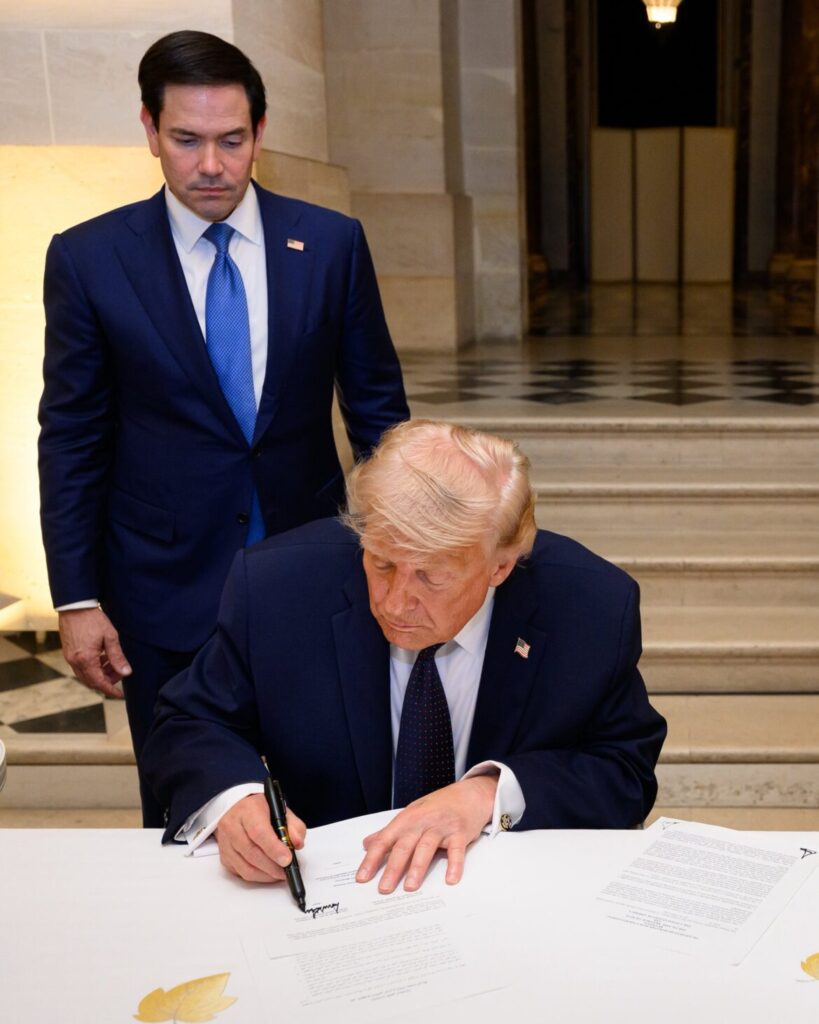
UAE jumped 3.8% the day the deal was inked. Five trading days later (June 26), it had given back all of that and then some, closing 1.9% below the pre-signing level. Qatar popped 0.3% on day one and was down 2.4% within the week, on volume just 0.16x its 30-day average on the announcement day — the thinnest in the dataset. Saudi Arabia: +0.5% day one, -1.6% by the week. Brent barely moved on day one (+0.9%) but fell 7.3% over the following week as the risk premium genuinely unwound. Scorpio Tankers (STNG) fell 7.0% over the same window as war-risk premiums came out of freight rates. ZIM shipping was the one asset that kept its gain, up 6.7% by the week as the market priced in resumed transit volumes.
The lesson from six events held on the seventh. Even genuine signs of de-escalation tend to be oversold on the announcement and corrected over the following days.
“Expect price movements on de-escalation news to be twitchy and to quickly reverse… let the data be your guide.”
The June MOU is the cleanest test of that line yet — a real, signed, verified deal, not a rumor — and it still popped and reversed on schedule. Across all three de-escalation events on record (April 8, April 17, June 18), UAE has popped an average of +2.7% on announcement day and given back essentially all of it within the week (-0.2% average) — a pattern that held cleanly in two of the three.
Event Eight: Iran Hits the Strait Directly
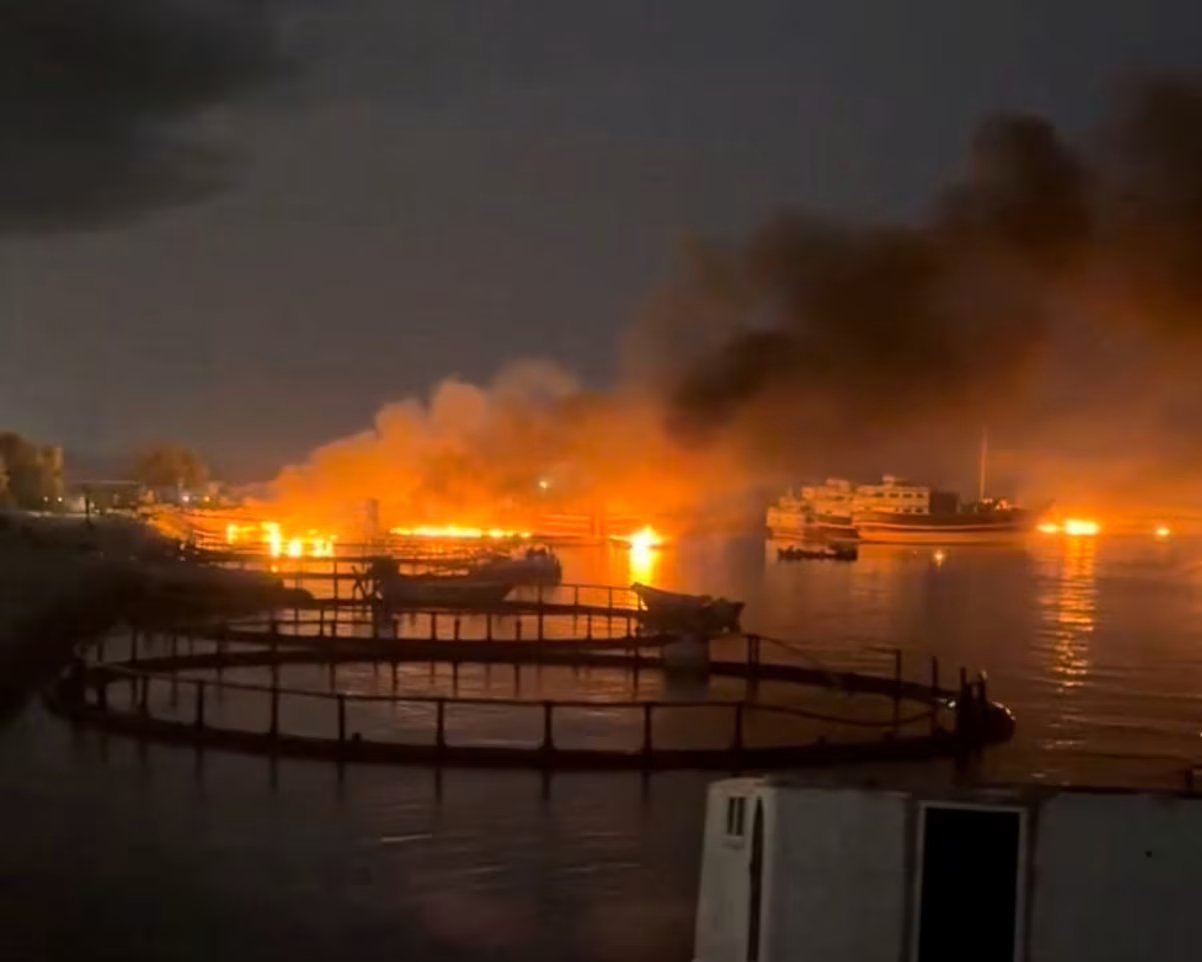
On July 6, amidst funeral processions for Iran's late Ayatollah Ali Khamenei, the IRGC struck three commercial vessels transiting the Hormuz strait — a Qatari LNG carrier, a Saudi crude tanker, and a third vessel near Omani waters — the worst single day of attacks since the original ceasefire took hold in March (Al Jazeera). This is where the dataset tells an interesting story, because broad equity index movements and specific shipping names diverged.
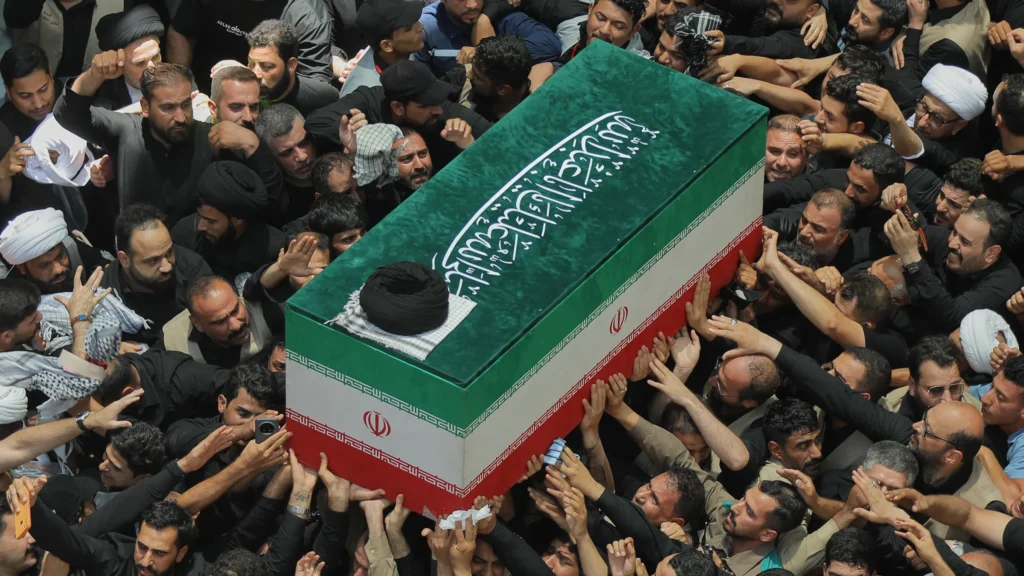
UAE and Qatar moved opposite expectations, and KSA barely budged: UAE gained 2.4%, Qatar gained 1.9%, KSA slipped 0.2%. ZIM, the one asset in this basket with direct transit exposure, fell 7.3% — on volume of 4.45x its 30-day average, the single sharpest volume spike anywhere in the nine-event series, including March 1. Brent, notably, barely reacted on the day itself (+0.7%); the oil move was yet to come.
Five trading days out isn’t available yet — we’re three sessions in (T+3: July 9) — but so far Brent is up 6.3% from its pre-attack close and ZIM remains down 5.6%. Gulf equities are still noise: UAE +1.7%, Qatar -0.8%, KSA -0.5%, no clean signal in either direction.
Washington Answers
Two days later, on July 8, the U.S. struck more than 80 Iranian targets and reimposed oil sanctions (Al Jazeera) — Trump said the day before that he considered the ceasefire over (CBS News), though neither government has made that official, and technical talks are reportedly continuing in parallel. This is where Brent's move finally appears: +3.9% on the day, on volume of 1.25x average, the only asset in this event trading above its 30-day norm. ZIM added another 2.8% and STNG jumped 4.1% as tanker and shipping names priced sustained disruption risk. Gulf equities stayed muted — UAE +0.1%, Qatar -0.9%, KSA +0.3%.
Only one trading day (July 9) sits past this event so far, so the "week" figures are provisional. But, the two-stage sequence is legible even this early: the attack itself hit the one asset with direct transit exposure and left broad equities and oil largely unmoved. As is often the case, the American response — the answer to how far the Trump administration will escalate — is what finally moved oil and volume together.
The Receipts: What Chasing the Headline Cost You
Take an equal-weighted basket of the six tracked assets and run two strategies through the seven completed events (March 1 through June 18 — the two July events don’t have a full week of data yet, so they’re excluded from this tally):
Chase strategy: on the day of the news, enter in the direction of that day’s move and hold to T+5. This is what “trading the headline” looks like in practice — you see the pop, you buy the pop.
Guided strategy: same entry timing, but positioned per our May 22 rule — ride the direction of the move on escalation events, fade it on de-escalation events.
Compounded sequentially across the seven events, equal-weighted and with no transaction costs: the chase strategy is down 5.3%. The guided strategy is up 9.4%. The entire gap comes from the three de-escalation events — on escalation events the two strategies are identical trades, since the guidance is simply “ride it.” The edge is entirely in knowing when to fade.
Caveats: this is a directional toy model, not a tradable strategy — no position sizing, no transaction costs, no slippage, equal weight across six illiquid-to-moderately-liquid names, and a seven-event sample — not investment advice. The claim is narrower and more definsible: the escalation/de-escalation asymmetry we've been calling since May has a real, computable cost to ignoring it.
What This Means for the Next Peace-Talk Headline
Technical talks between Washington and Tehran are reportedly ongoing between Trump's Kushner/Witkoff/Vance team and their Iranian interlocutors — even amidst strikes. If those talks produce another announcement — a new ceasefire, an extension, a “strait is open” claim — we at L4 expect, consistent with the model, a jittery ultra-short-term price jump in correlated assets followed by a reversal soon after.
Across the three de-escalation events on record, two-thirds of asset–news pairs that popped on the announcement gave that move back by T+5. That's not a guarantee, but it's more likely than not: absent a reason to think this news cycle behaves differently, we'd bet on the same pattern holding on the next de-escalation headline — a day-one pop across Gulf equities and oil, with most of it fading by T+5.
The Bottom Line
With two new major events in the US-Iran conflict, our May 22 price-movement framework holds true — de-escalation gets overpriced on announcement day and sold through the following week, while moves in response to escalation are more sticky. The Islamabad MOU traded exactly as expected — 5 of the 6 Gulf-linked assets tracked in this analysis reversed from their one-day reactions. We're only four days from Iran's latest bombing and 2 days removed from the US reaction/escalation — the data says follow the generals and disbelieve the diplomats.
Every return, entry point, and compounding step behind this piece is laid out in full in the downloadable appendix: all eight events, per-ticker returns, and the complete Chase-vs-Guided backtest detail.
→ Download the full data appendix (PDF)
→ Read the methodology in full
Sources · Axios, “US, Iran reach deal to extend ceasefire, open strait,” June 14, 2026 · CNN, “June 18, 2026 – US and Iran sign initial agreement” · CNBC, “U.S., Iran agree on roadmap for final deal,” June 22, 2026 · NPR, “U.S. launches new strikes against Iran after three ships were hit in Strait of Hormuz,” July 7, 2026 · Bloomberg, “Hormuz Sees Biggest Day of Attacks Since US-Iran Peace Deal,” July 7, 2026 · CNN, “July 9, 2026 — US-Iran ceasefire crumbles as fresh strikes rock Middle East” · Price & volume data: Yahoo Finance via yfinance API (KSA, UAE, QAT, BNO, ZIM, STNG) · L4 Global · Chase/guided backtest: equal-weighted directional model, L4 Global, illustrative only, not investment advice · Prior analysis: L4 Global, “The Gulf Conflict in Six Moments — and What the Data Says About the Seventh,” May 22, 2026